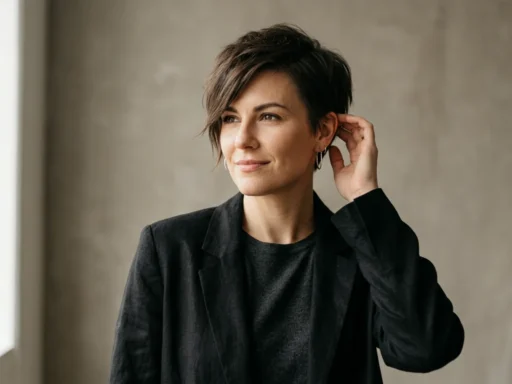




I spent most of my twenties with absolutely flat hair that refused to cooperate. You know that feeling when you leave the salon looking amazing, then wake up the next day with hair that’s somehow forgotten it ever had any personality? That was my life until I finally understood why layered haircuts add volume — and more importantly, which types of layers actually work versus the ones that just create chaos.
The breakthrough came when my stylist explained something that changed everything. It’s not about having more layers. It’s about having the right layers in the right places.
What We’re Covering
The Science Behind Volume

Here’s what nobody tells you about volume: it’s all about weight distribution. When your hair is one solid length, the weight of all that hair pulls down from the roots, creating a flat, heavy look. Layers literally remove weight in strategic places, allowing sections of your hair to lift and bounce.
But — and this is huge — not all layers work the same way. I learned this the hard way after getting what I call “the triangle cut” in 2019. You know the one. Too many short layers on top, not enough length variation, and suddenly my head looked like a Christmas tree.
The magic happens when layers are cut at specific angles and lengths that create what hair volume techniques professional stylists professional stylists call “movement points.” These are spots where shorter hair can lift and support longer pieces, creating natural body throughout your entire head.
Face-Framing Layers That Work
Can we talk about face-framing layers for a second? Everyone acts like they’re some kind of miracle cure, but honestly, most people get them completely wrong.
The key is graduation — you want layers that start around your cheekbones and gradually get longer as they move back from your face. I see so many people with choppy, disconnected pieces that just hang there looking sad. That’s not framing anything; that’s just… pieces of hair.
My current layers start at about chin length right at the front, then gradually blend to shoulder length by my ears. This creates this gorgeous swooping effect that makes my hair look fuller and gives my face some serious definition. Plus, when I curl them, they bounce back beautifully instead of falling flat within an hour.
Long Layers vs Short Layers
This is where I get a little controversial. Everyone’s obsessed with long, subtle layers because they think it’s “safer.” But honestly? Sometimes you need dramatic layers to create real volume, especially if you have thick, heavy hair like I do.
Long layers are great if:
- Your hair is fine or thin
- You want to keep maximum length
- You’re going for that effortless, beachy vibe
But short layers? They’re volume powerhouses. They lift everything up and create these amazing points of interest throughout your hair. I have some layers that are a full 4 inches shorter than my longest pieces, and they make all the difference in creating that lifted, bouncy look.
The trick with short layers is placement. They need to be cut into the interior of your hair, not just around the perimeter. Otherwise you end up looking like you stuck your finger in an electrical socket.
Styling Tricks for Maximum Lift
Okay, here’s where the real magic happens. You can have the most perfectly cut layers in the world, but if you don’t know how to style them, you’re missing out on all that gorgeous volume potential.
My go-to technique? I flip my head upside down and scrunch a lightweight mousse into damp hair, focusing on the mid-lengths and ends where my layers are most prominent. Then I diffuse with my head still flipped — this is crucial because it encourages all those shorter pieces to lift away from your scalp.
For air drying, I twist small sections of my layered pieces around my finger while they’re still damp. This gives them a natural wave pattern that enhances the volume the layers create. hair texturizing techniques volume byrdie This technique from Byrdie completely changed my styling game.
And here’s a secret: dry shampoo isn’t just for dirty hair. I spray it on clean, dry hair right at the roots of my shortest layers. It creates texture and grip that helps maintain lift all day long.
Common Layer Mistakes to Avoid
Let’s be real about the disasters I’ve witnessed (and experienced). The biggest mistake? Getting layers cut when your hair is damaged. Layered cuts expose more of your hair shaft, which means they highlight damage like nobody’s business.
Another massive no-no: trying to cut your own layers during quarantine. I know we all did questionable things in 2020, but please learn from my mistakes. Home layers never, ever look intentional.
But the mistake that really gets me is when people get layers without considering their lifestyle. If you wash your hair once a week and live in messy buns, intricate layering isn’t going to work for you. Be honest about how much time you want to spend styling.
Also — and I cannot stress this enough — not everyone needs layers. If you have naturally fine, straight hair that looks gorgeous in a blunt cut, don’t let anyone convince you that layers will solve problems you don’t have. I’ve seen too many people ruin perfectly good hair chasing volume they didn’t need.
The truth is, layered haircuts can absolutely transform flat, lifeless hair into something with movement and body. But only if they’re done thoughtfully, with your specific hair type and lifestyle in mind. When I finally found a stylist who understood this, my whole relationship with my hair changed. I actually look forward to styling it now, which honestly feels like a small miracle after years of frustration.
If you’re considering layers, take photos of what you want and — more importantly — photos of what you definitely don’t want. Your stylist will thank you, and your hair will too. Speaking of summer hair inspiration, layered cuts work beautifully with natural texture if you know how to enhance rather than fight your hair’s natural patterns.