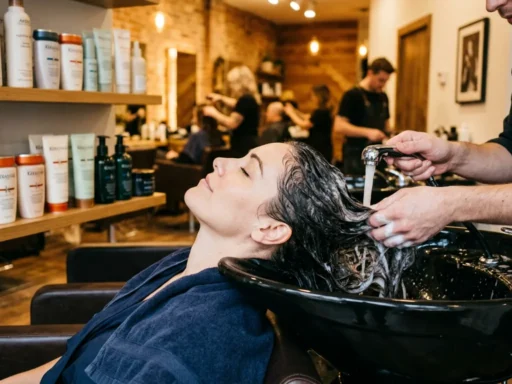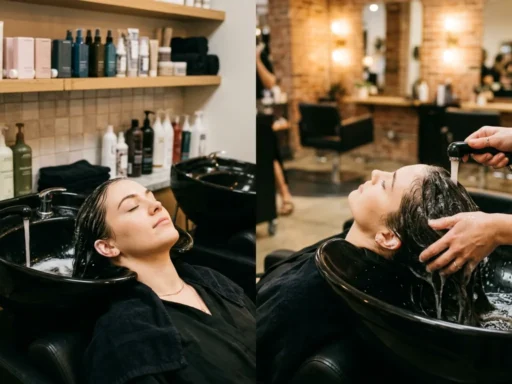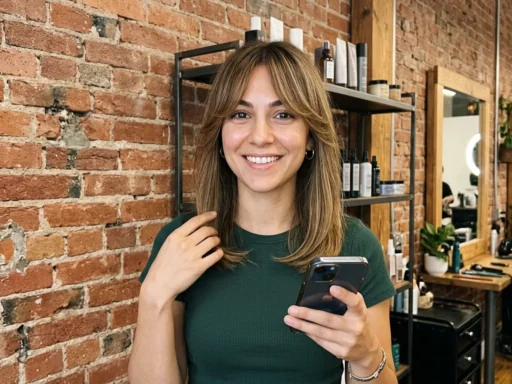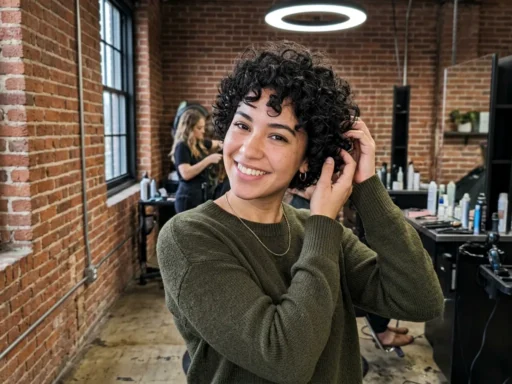

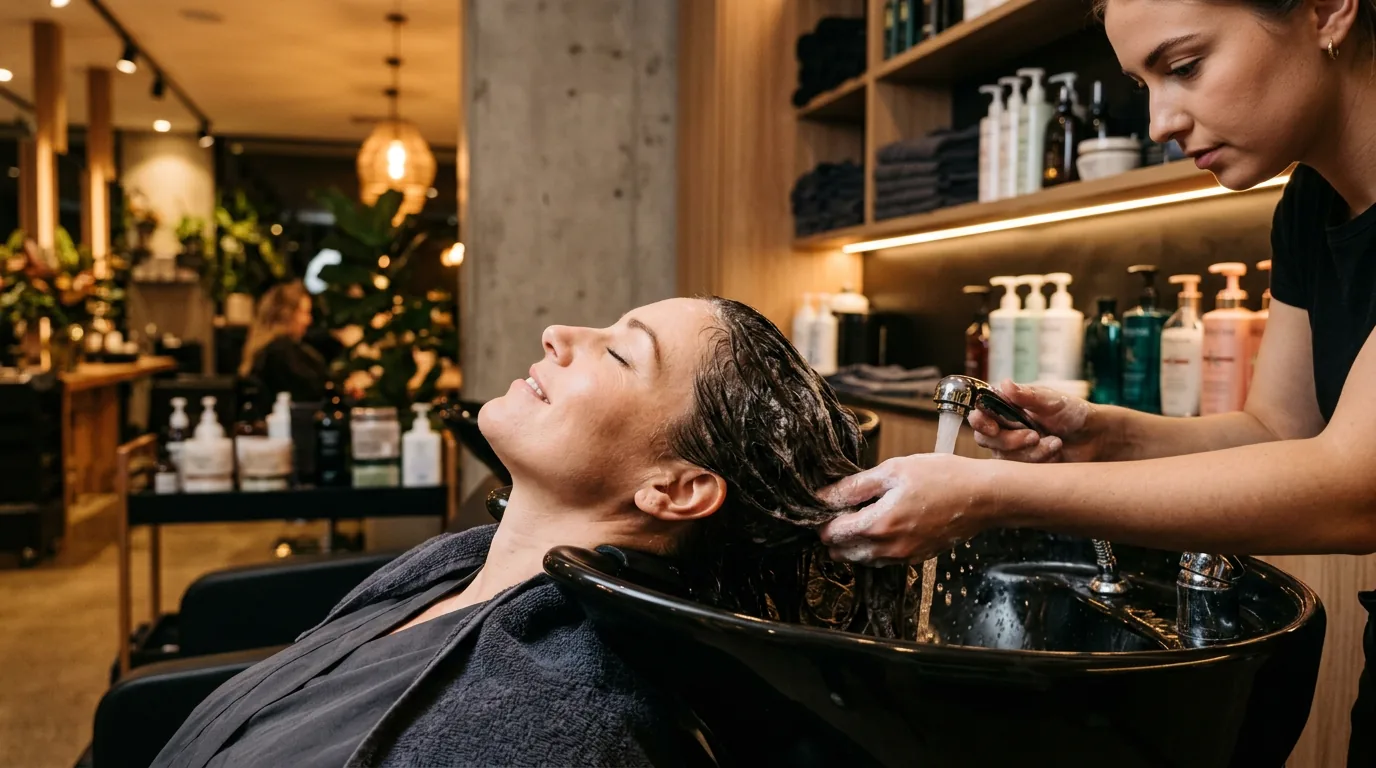

Last year, I walked into a salon with Pinterest screenshots of gorgeous electric blue hair and walked out looking like I had dunked my head in dish soap. The color was stunning in photos, but on me? It made my skin look sallow and tired. That expensive mistake taught me everything I wish I’d known about choosing bold hair color that actually works with your natural coloring instead of fighting against it.
Understanding Your Undertones First
Before you even think about what bold color to choose, you need to figure out your skin’s undertones. I used to skip this step completely — big mistake. Your undertones are the subtle hues beneath your skin’s surface, and they’re what make certain colors look amazing on you while others make you look like you need a nap.
Look at the veins on your wrist in natural light. Blue or purple veins usually mean cool undertones. Green veins typically indicate warm undertones. If you see both or can’t decide, you’re probably neutral — lucky you, because almost everything will work.
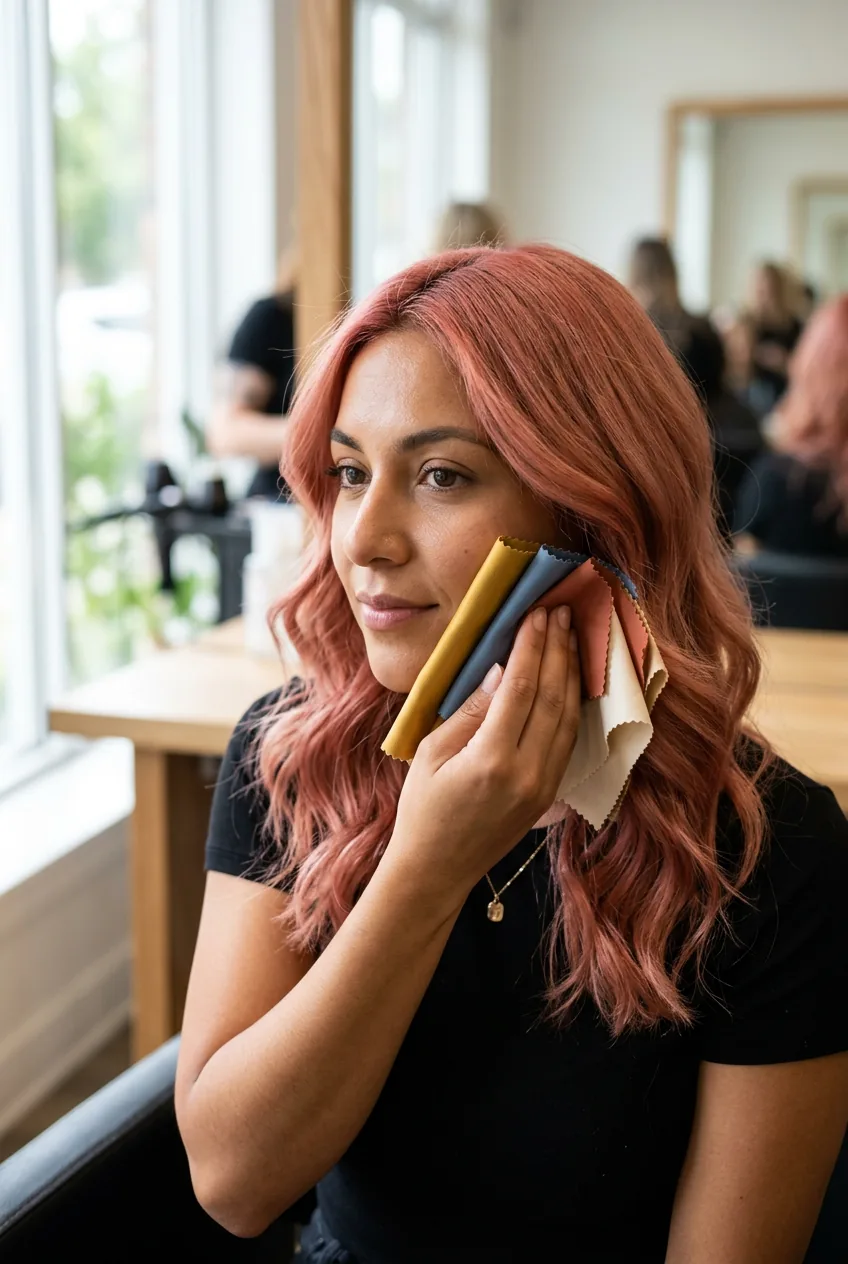
Another trick I learned from my colorist: hold up pure white and cream-colored fabric to your face. If white makes you glow, you’re cool-toned. If cream looks better, you’re warm-toned.
What You’ll Need for Color Success
Here’s what I always have ready before any major color change:
- Color-safe shampoo and conditioner (trust me, regular shampoo will fade your investment fast)
- Semi-permanent color in your chosen shade for testing
- A good colorist consultation — even if you’re DIYing, get professional advice first
- Hair masks for pre and post-color treatments
- UV protection spray (bold colors fade faster in sunlight)
- A realistic timeline — good color takes time
I learned the hard way that skipping the prep work leads to patchy, uneven color that looks homemade in the worst way.
Test Colors Before You Commit
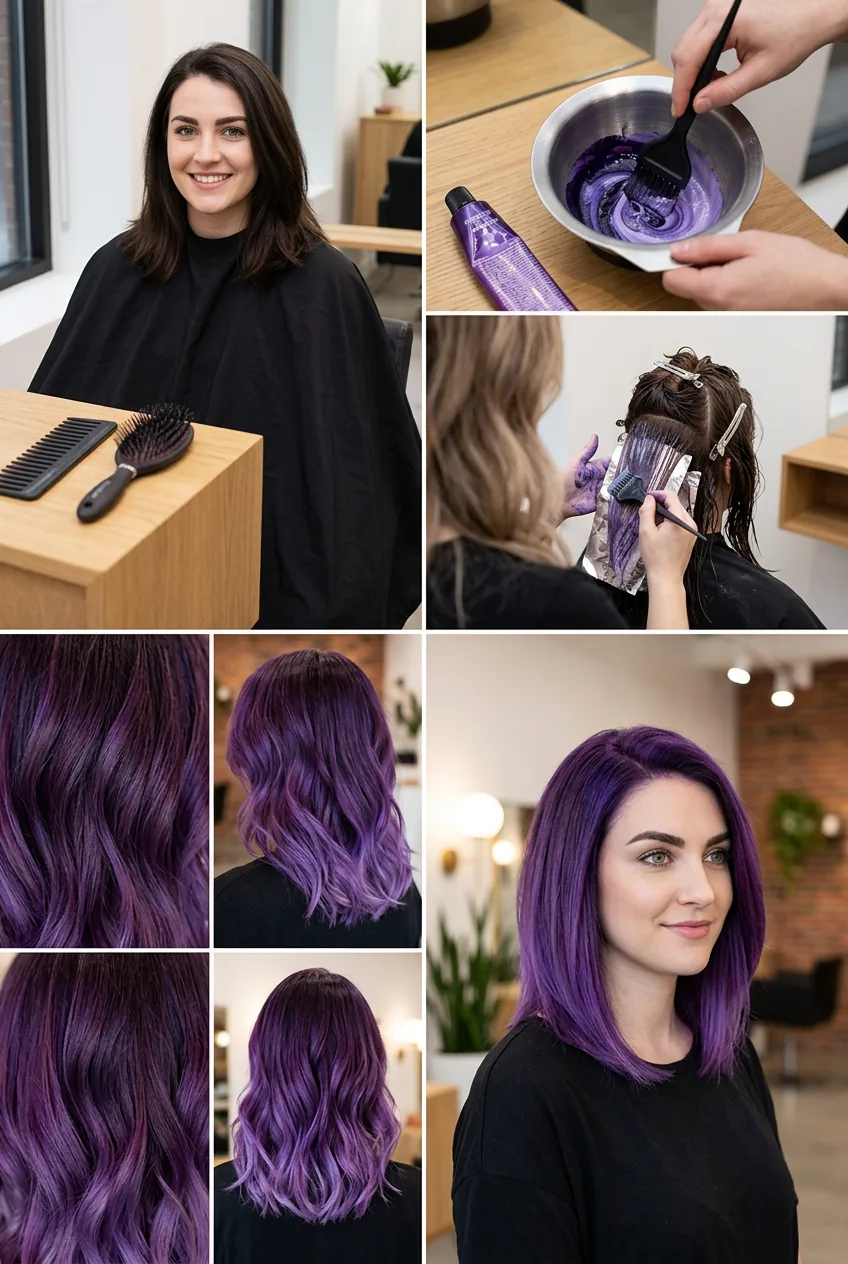
This step saved me from another blue hair disaster. Get temporary color chalk or wash-out spray in your potential shades. Test them on a small section underneath your hair where mistakes won’t show.
I do this test in different lighting — bathroom fluorescents, natural daylight, and evening indoor lights. Colors can look completely different depending on where you are, and you want to love your color everywhere.
The mistake I made: I fell in love with a vibrant purple under salon lighting, but it looked muddy and dull in my office’s fluorescent lights. Always test in the environments where you spend most of your time.
Take photos of yourself with each test color. Your camera will show you things your mirror might miss, and you can compare options side by side.
Choose Your Bold Shade Strategically
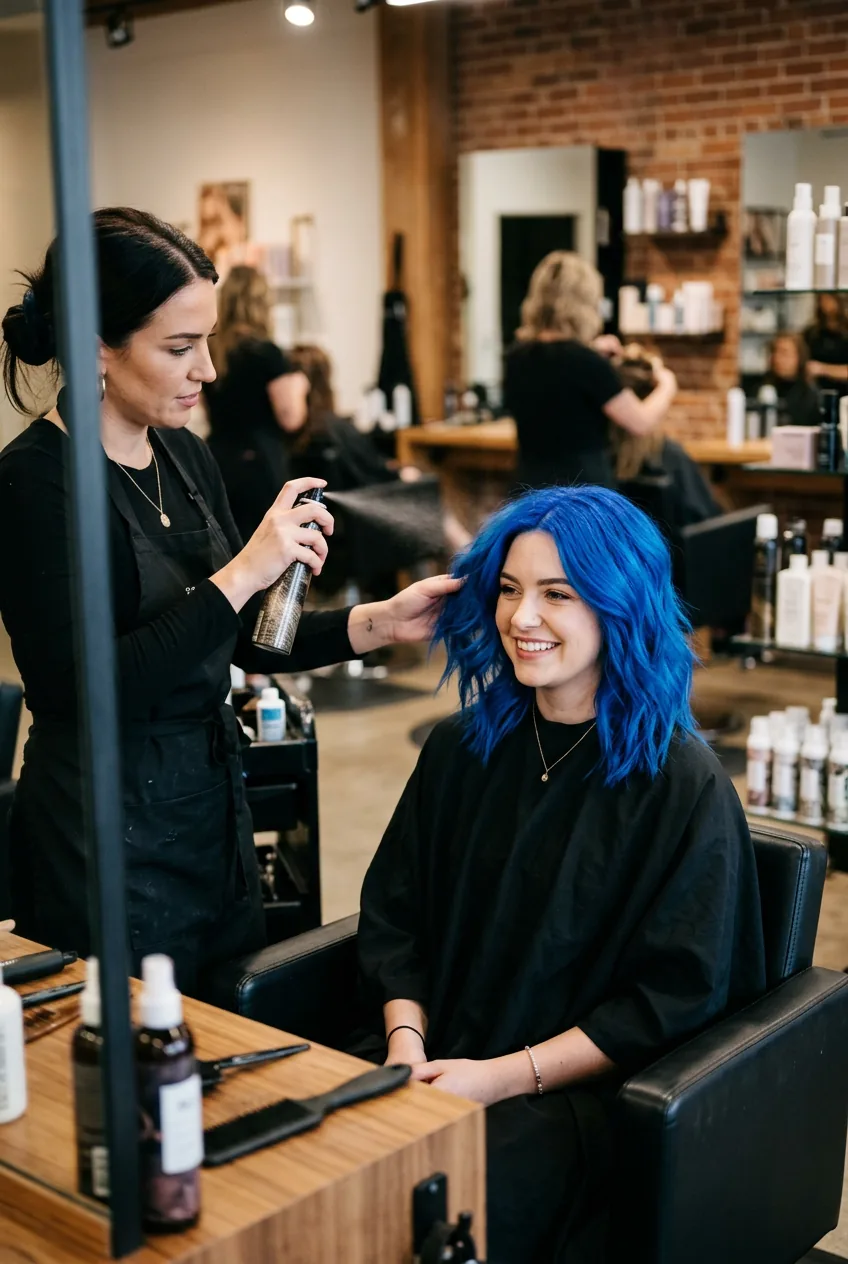
Now for the fun part — picking your actual color. If you have cool undertones, jewel tones are your best friend. Think emerald green, sapphire blue, or deep purple. These colors will make your skin look porcelain-clear.
Warm undertones? Go for colors with golden or orange bases. Copper, warm reds, golden yellows, and sunset oranges will complement your natural warmth beautifully.
My personal favorite discovery has been dusty pastels. They give you that bold color impact without being so intense that they overwhelm your features. Rose gold, lavender, and mint green have all worked surprisingly well for my neutral undertones.
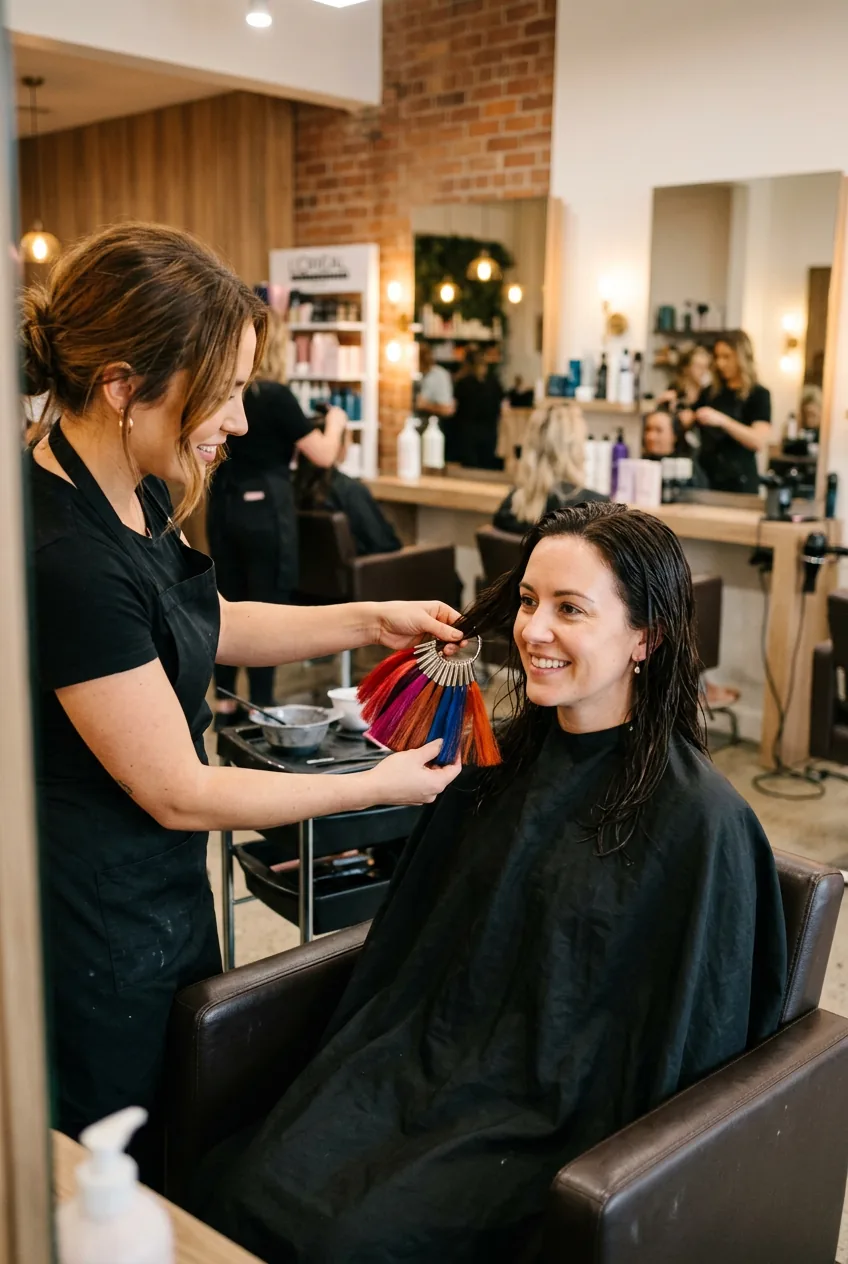
Professional color matching can help you understand why certain combinations work better than others, but honestly, the testing method above will tell you everything you need to know.
This Color Theory Video Changed Everything
Application Tips That Prevent Disasters
Whether you’re going professional or DIY, timing is everything. I always schedule color appointments when I have nowhere important to be for at least a week. Bold colors can look intense for the first few days while they settle.
If you’re lightening your hair first (which most bold colors require), do it gradually. I tried to go from dark brown to platinum in one session once. Bad idea — my hair felt like straw for months.
Start with highlights or ombré if you’re nervous about full coverage. You can always add more color, but removing it is much harder and more damaging.
The maintenance is real, too. Color-protecting products make a huge difference in how long your bold shade stays vibrant. I wash my hair every other day max, use cool water, and never skip my weekly deep conditioning mask.
After three years of bold color experiments — successes and failures alike — I’ve finally found shades that make me feel confident instead of self-conscious. The secret wasn’t finding the trendiest color; it was finding colors that worked with my natural coloring instead of against it. Now when people compliment my hair, I know it’s because the color genuinely suits me, not just because it’s eye-catching.