



I held out for two years. Every time I saw another gorgeous woman with those perfectly tousled curtain bangs framing her face, I’d think “not for me.” Too much upkeep, I told myself. Too trendy. But last month, after staring at the same boring hairstyle in my bathroom mirror for the hundredth time, I finally caved.
Best. Decision. Ever.
But here’s the thing nobody talks about when they’re gushing about curtain bangs — they’re not the effortless, wake-up-perfect fringe everyone pretends they are. And honestly? That’s okay. Some things are worth a little extra effort.
Why I Finally Gave In to the Trend
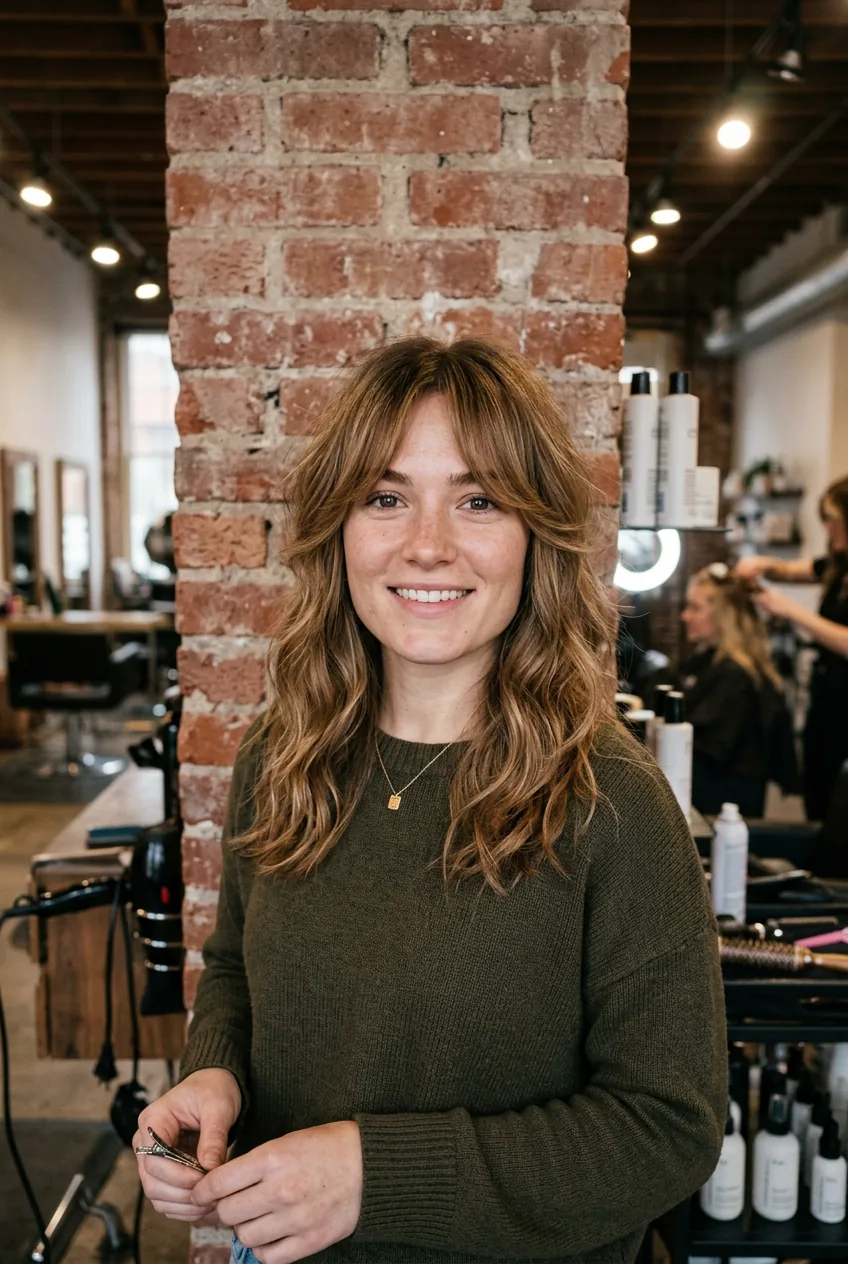
You know what pushed me over the edge? Seeing how curtain bangs completely transformed my friend Sarah’s round face. She’d always been self-conscious about her cheeks, constantly pulling her hair forward to create shadows. But those soft, sweeping bangs? They created the most beautiful angles I’d ever seen on her.
That’s when I realized curtain bangs aren’t just about following trends. They’re about creating balance. The way they gently frame your face, drawing attention to your eyes while softening harsh lines — it’s like having a built-in Instagram filter.
Plus, let’s be real — they photograph amazingly well. Every selfie looks more polished, more intentional. And in our current social media world, that matters more than I’d like to admit.
The Face Shape Rule Everyone Gets Wrong
Here’s where I’m going to be controversial: forget everything you’ve heard about face shapes and curtain bangs.
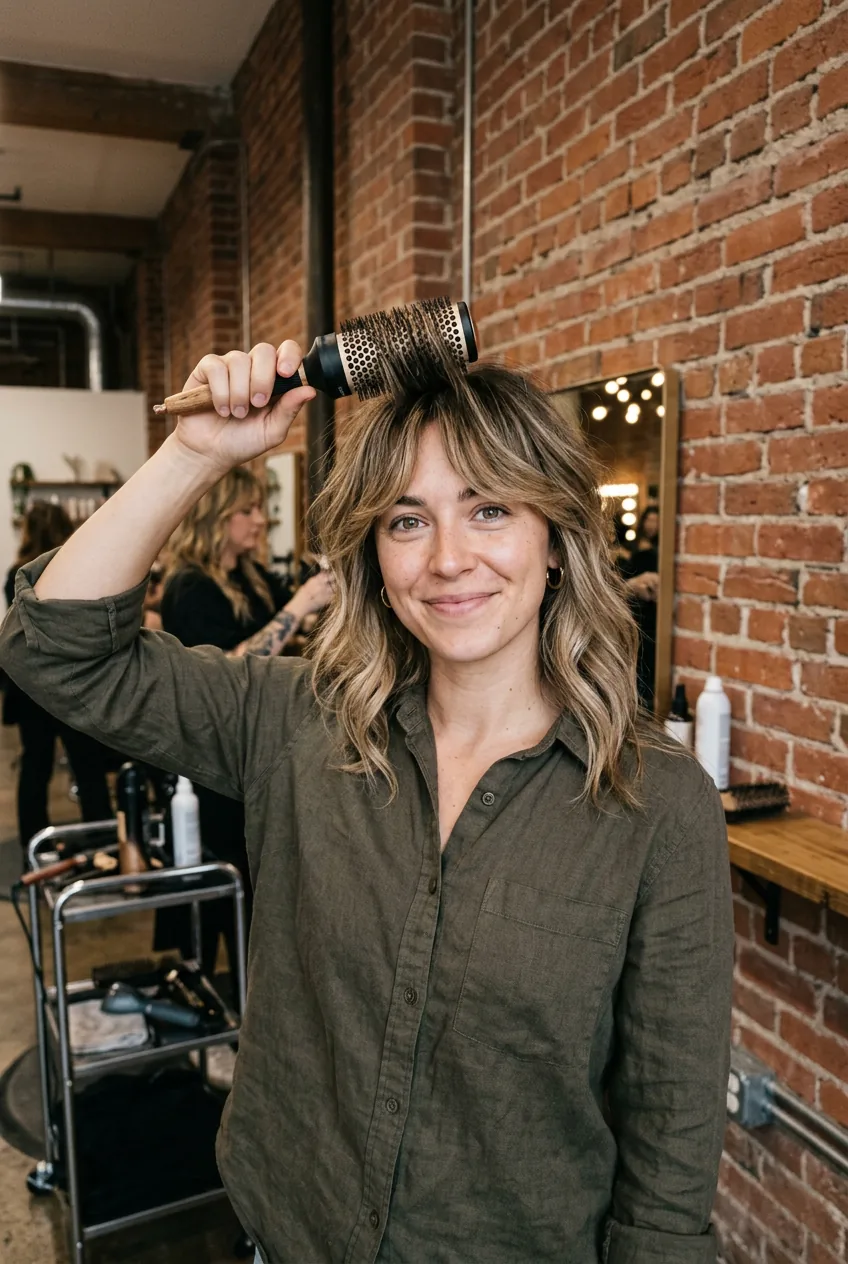
Everyone says they’re “perfect for oval faces” and “great for long faces.” But I’ve seen them look incredible on round faces, square faces, even heart-shaped faces. The secret isn’t your face shape — it’s the length and angle of the cut.
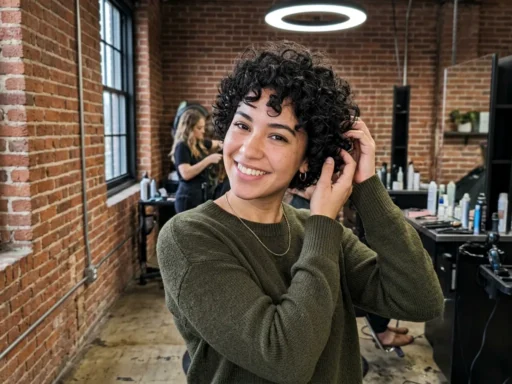
Look at her in this photo — she has a pretty square jawline, but those bangs hit right at her cheekbones, creating this gorgeous soft frame. Her stylist didn’t follow some rigid face-shape rule. They worked with her features, not against them.
The real rule? Your curtain bangs should end where you want to create emphasis. Want to highlight your eyes? Keep them shorter. Want to soften a strong jawline? Let them graze your cheekbones. It’s that simple.
Maintenance Reality Check
Let me give it to you straight: curtain bangs are not low-maintenance.
- They grow out quickly (I’m talking every 3-4 weeks)
- They need daily styling unless you’re blessed with perfect natural texture
- They’re sensitive to humidity, sleep hair, and basically any weather condition
- You’ll go through more dry shampoo than you ever thought possible
But here’s what surprised me — once I got into a rhythm, the daily styling became almost meditative. Two minutes with a round brush and blow dryer, and I felt put-together for the day. It’s like putting on lipstick — a small ritual that makes everything else feel more polished.
The key is accepting that some days they’ll look amazing, and some days they’ll look like you stuck your finger in an electrical socket. That’s just curtain bang life.
Styling Secrets That Actually Work
Want to know the styling trick that changed everything for me? Start with slightly damp hair, not soaking wet or completely dry.
I learned this from watching professional stylists work their magic. They never start on bone-dry hair. The slight moisture gives you control without the frizz that comes from styling soaking wet bangs.
Here’s my foolproof routine:
Morning styling: Spritz with water, add a tiny amount of lightweight cream, then use a small round brush to lift and sweep while blow-drying. The direction matters — always pull away from your face, then let them fall naturally.
Second-day refresh: Dry shampoo is your friend, but apply it the night before, not the morning of. This lets it absorb overnight without leaving that chalky residue.
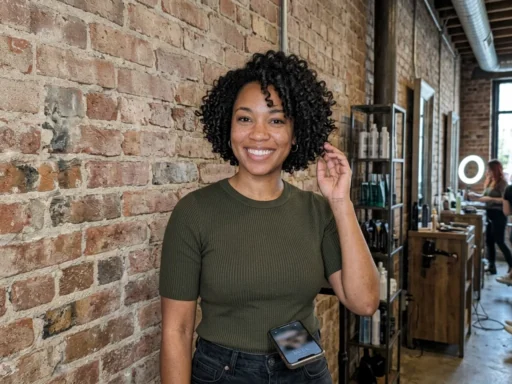
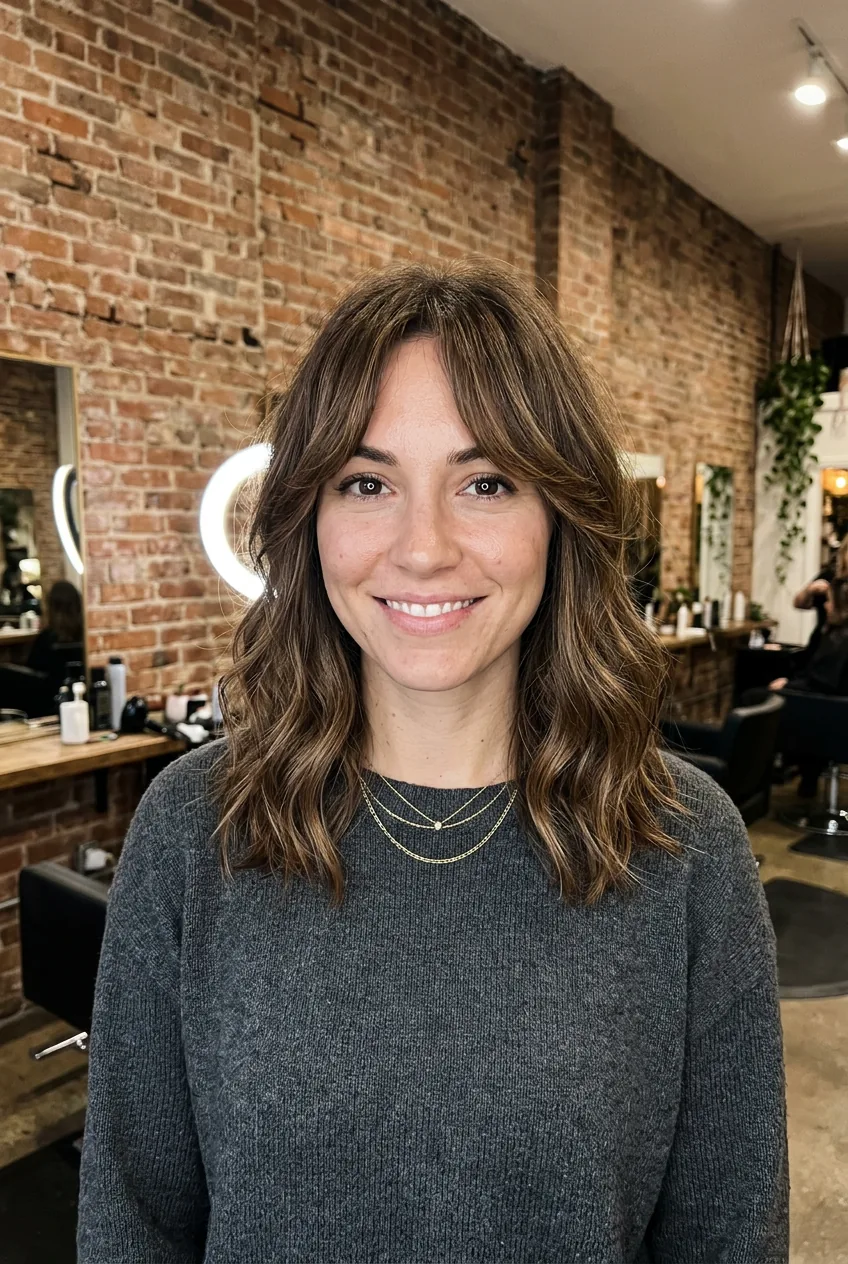
She’s got the exact texture I aim for every morning — that effortless, slightly piecey look that seems natural but definitely isn’t. The trick is in the product application and knowing when to stop styling.
Watch the Technique in Action
When Curtain Bangs Go Bad
Not every curtain bang story has a happy ending. I’ve seen some truly tragic attempts, and usually, it comes down to three common mistakes.
The DIY disaster: I don’t care how many YouTube tutorials you’ve watched. Don’t cut your own curtain bangs. Just don’t. I watched my neighbor attempt this during lockdown, and let’s just say hats became her best friend for three months.
The wrong starting length: Many stylists cut them too short initially, thinking they need room to grow. But curtain bangs need to be long enough to actually frame your face. Too short, and you’re left with awkward chunks that stick straight out.
The texture mismatch: If you have super fine, straight hair, you might struggle to get that perfect tousled texture everyone associates with curtain bangs. And that’s okay! Work with your natural texture instead of fighting it.
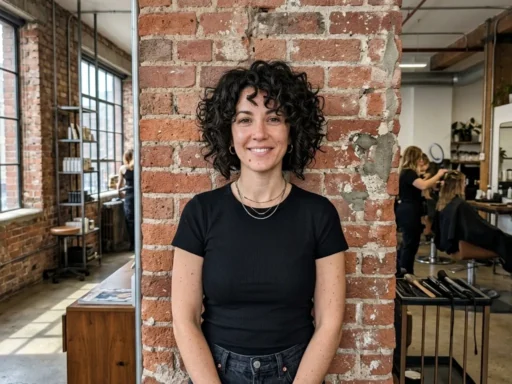
The woman in this photo shows what happens when everything goes right — the length, the layering, the styling all work together. But I’ve seen the flip side, and it’s not pretty.
Look, curtain bangs aren’t for everyone, despite what Instagram might have you believe. If you’re someone who literally rolls out of bed and goes, they might not be your style. But if you’re willing to invest a few extra minutes in your morning routine, the right tools can make all the difference between looking effortlessly chic and looking like you didn’t try at all.
Three months in, and I still love mine. Even on the bad hair days. Especially on the bad hair days, actually — because sometimes that slightly messy, lived-in look is exactly what makes curtain bangs so irresistible in the first place.