
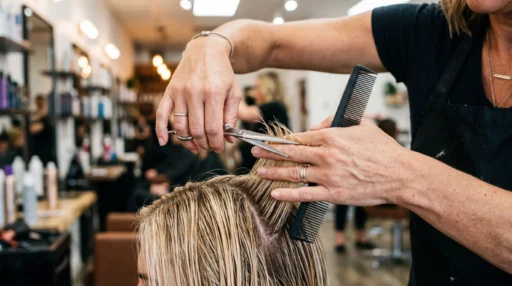
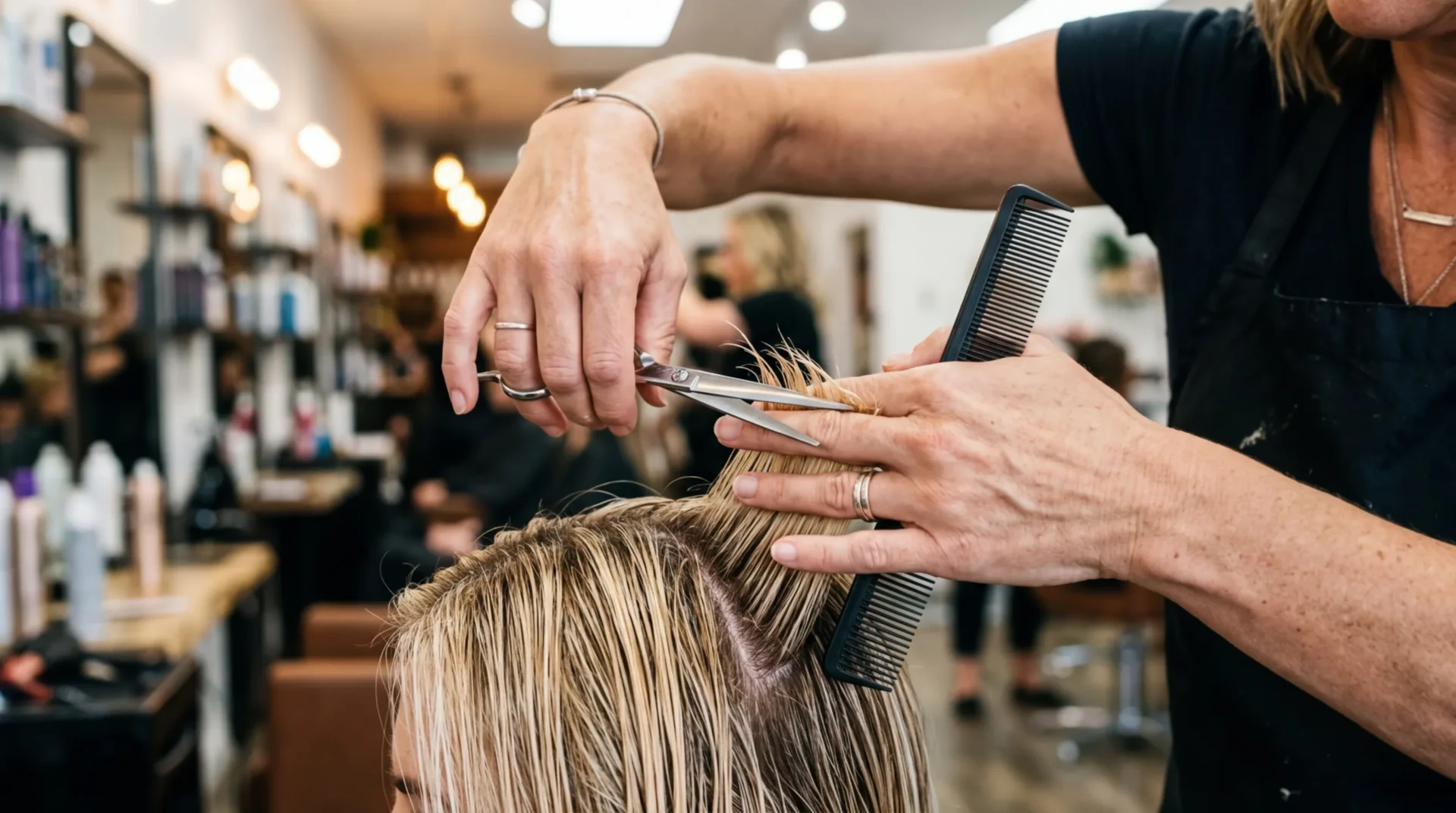

I’ve wanted curtain bangs for years but was terrified of messing them up. After one too many $200 salon visits just for a bang trim, I finally decided to learn how to do it myself. Turns out, it’s way less scary than I thought — once you understand the basic technique. My first attempt wasn’t perfect, but it was definitely wearable, and now I can maintain them whenever they grow out.
What You’ll Need
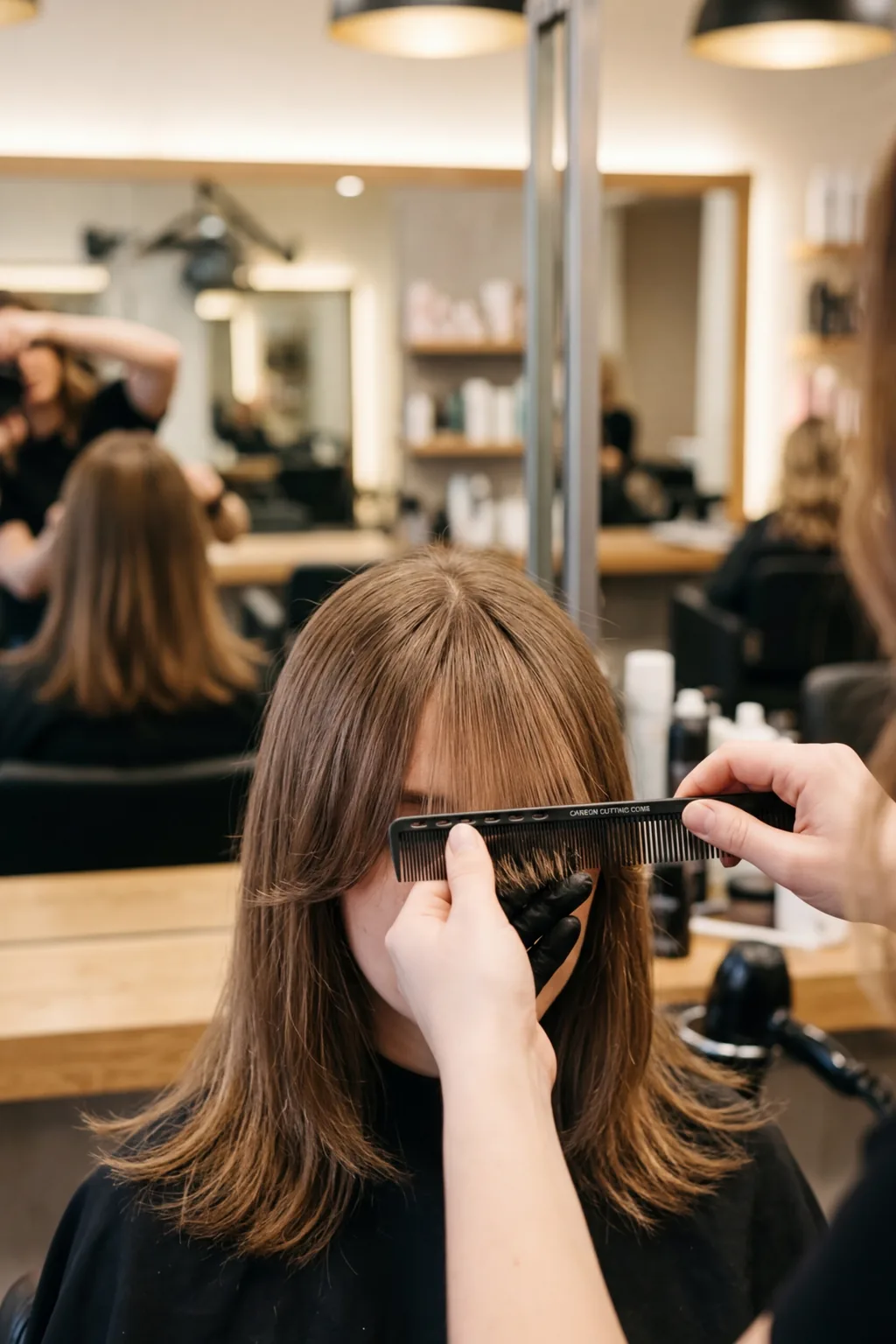
Don’t overthink the tools. I use basic hair-cutting scissors (not the ones from your junk drawer), a fine-tooth comb, some hair clips, and a spray bottle with water. That’s it.
The scissors matter more than you think. I learned this the hard way when my first attempt looked choppy because I used regular craft scissors. Hairstyles that look professional at home start with proper tools. You don’t need to spend a fortune, but invest in actual hair shears — they cut cleaner and give you more control.
- Hair-cutting scissors (not household scissors)
- Fine-tooth comb
- Hair clips to section
- Spray bottle with water
- Good lighting and a large mirror
Finding Your Perfect Starting Point
This step determines everything. I always start by finding the center of my face — not just where my hair naturally parts, but the actual center of my features. Stand directly in front of a mirror and use your comb to draw an imaginary line from your nose straight up.
The width of your curtain bangs should roughly match the outer edges of your eyebrows. Any wider and they’ll overwhelm your face. Any narrower and they’ll look more like face-framing layers than actual bangs.
The Triangle Section Technique
Here’s where most people mess up. You need to create a triangle section, not just grab random pieces of hair. I start about two fingers’ width back from my hairline and create a triangle that’s about as wide as the space between my pupils.
The point of the triangle should be at your crown area, and the base should follow your hairline. This gives you the right amount of hair to work with — enough to create that swoopy curtain effect, but not so much that it looks heavy.
I made the mistake of sectioning too much hair on my first try. What I thought would be subtle curtain bangs turned into a full fringe situation. Less is definitely more here — you can always cut more sections later.
Making the First Cut
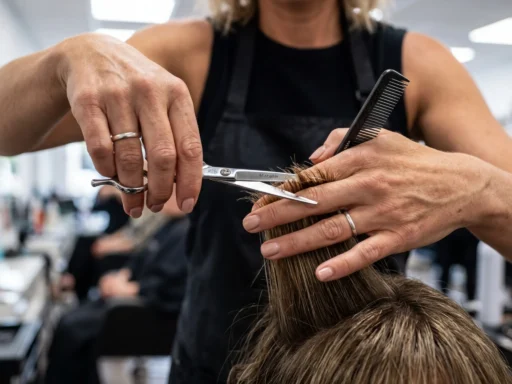
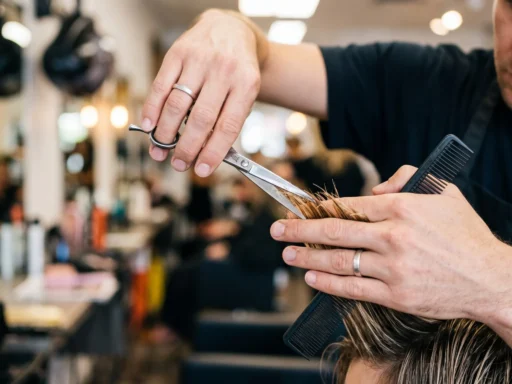
This is the nerve-wracking part, but here’s my technique: never cut straight across. Ever. Instead, I hold the section at a 45-degree angle away from my face and cut into the hair with the scissors pointing upward.
Start longer than you think you need. I always aim for about chin length on the outer edges first. The key is cutting each side separately — don’t try to cut both sides at once thinking it’ll be more even. It won’t be.
Work in small snips. I cannot stress this enough. Professional cutting techniques always emphasize control over speed.
Watch the Technique in Action
Blending and Refining
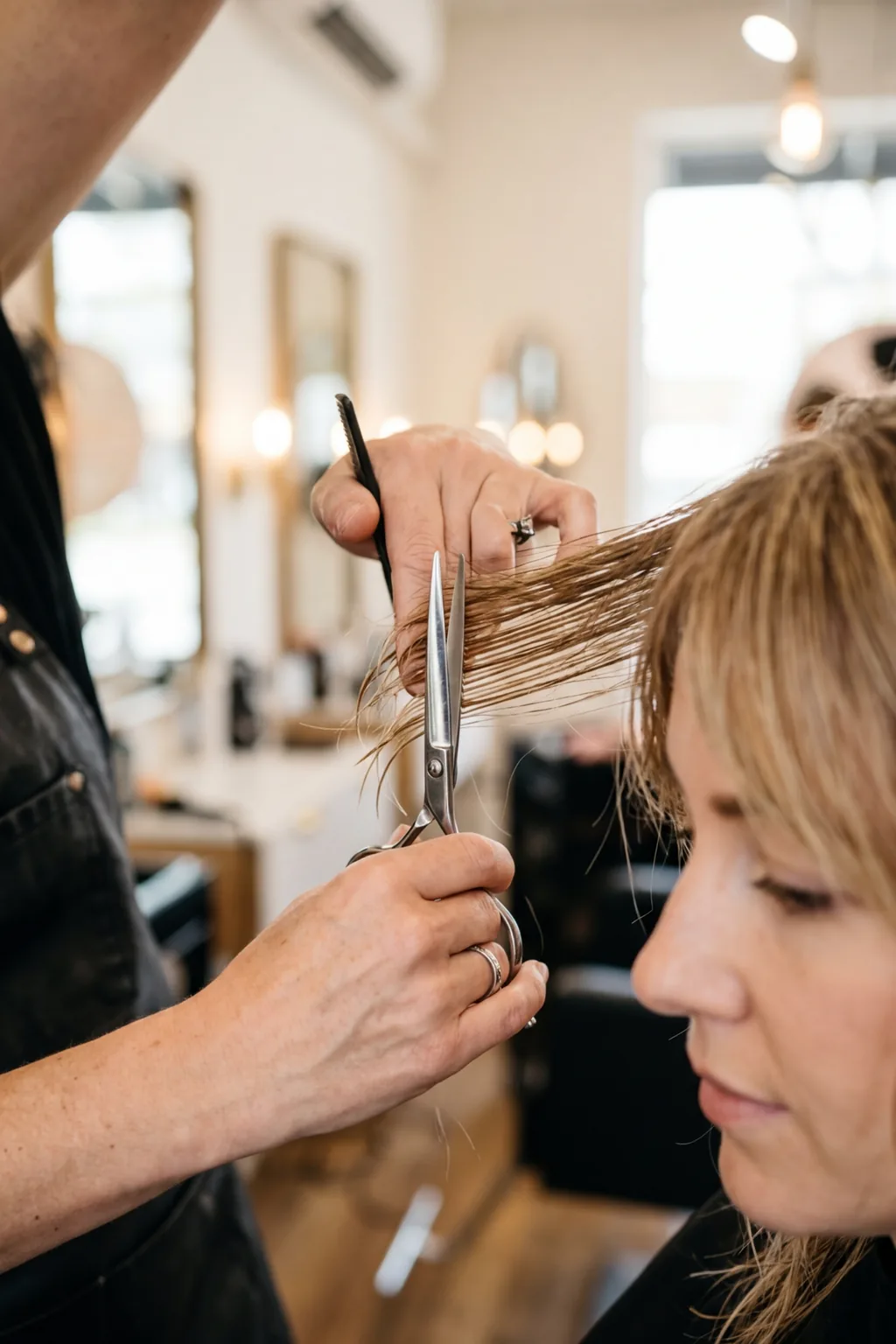
After the initial cut, you’ll probably notice some unevenness. This is normal and fixable. I go through with my scissors held vertically and do tiny snips to blend any harsh lines.
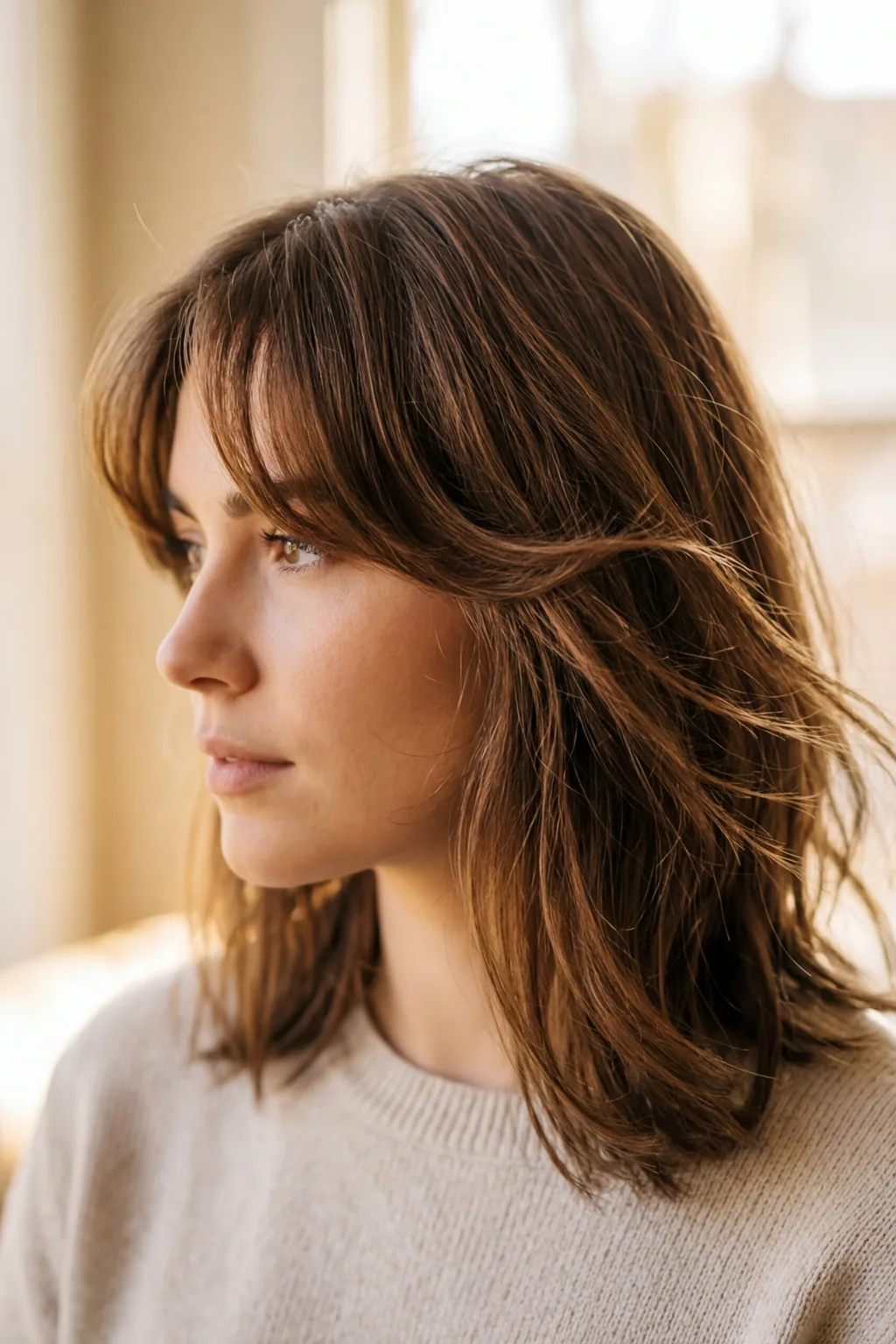
The shortest part of your curtain bangs should hit around your cheekbones, gradually getting longer toward your ears. If you have a round face like me, you want that longest part to hit just below your jawline to create a slimming effect.
Take breaks between adjustments. Seriously. I step away for a few minutes, then come back with fresh eyes. It’s amazing what you notice after a short break that you missed when you were focused intensely on every tiny detail.
Styling Your New Curtain Bangs
The cut is only half the battle. Styling makes all the difference between “I cut my own bangs” and “Where did you get your hair done?”
I blow-dry mine with a round brush, rolling them away from my face. The trick is to overdirect them slightly — if you want them to fall to the right, blow-dry them slightly to the left first, then flip them over. This creates that natural-looking bend that makes curtain bangs so flattering.
For texture, I scrunch in a tiny bit of texturizing cream while the hair is still damp. Styling products specifically designed for bangs can make maintenance so much easier.
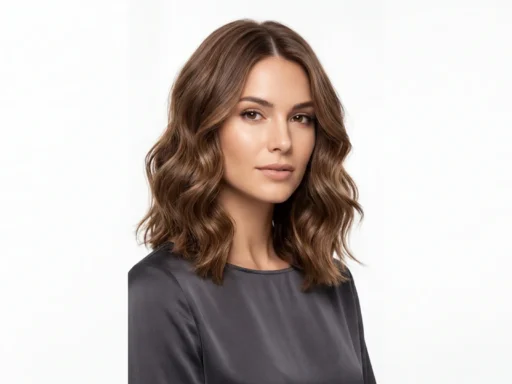
The best part about long bob layers for fine hair is how they work with curtain bangs — the layers help blend everything together for a cohesive look.
My curtain bangs aren’t salon-perfect, but they’re mine. And honestly? I love them more because I cut them myself. They’ve grown out beautifully over the past few months, and I’ve trimmed them twice now with confidence. The best part is not having to book an appointment every six weeks just to maintain them.