
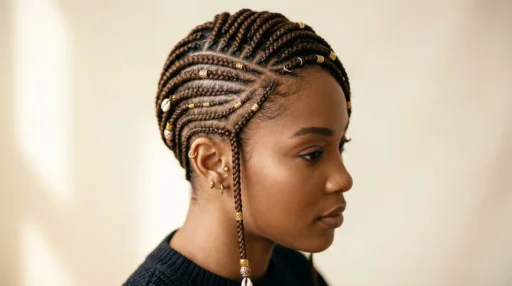
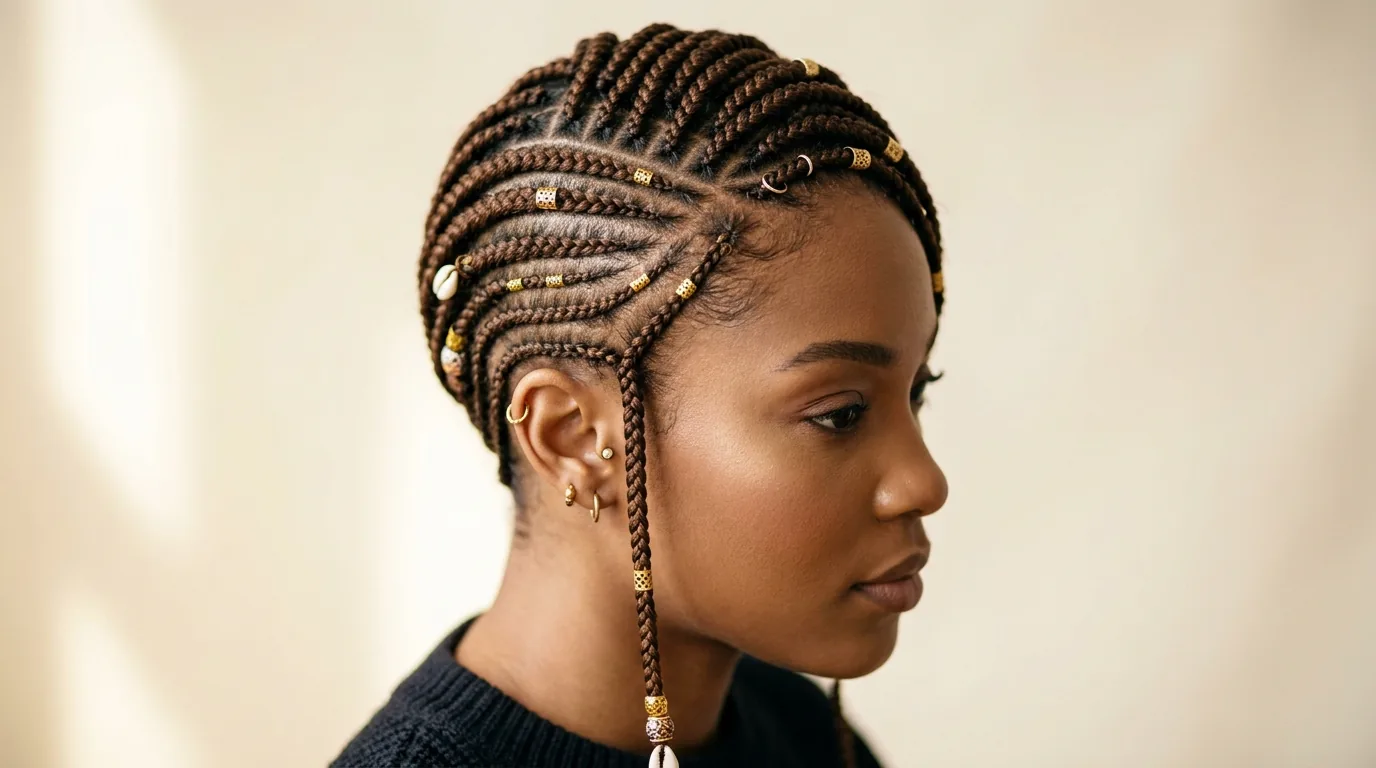

I used to think protective styles meant sacrificing my sleep schedule to sitting in someone’s kitchen chair for twelve hours straight. Then I discovered short lemonade fulani braids, and honestly? Everything changed. My stylist suggested trying them after I complained about the weight of my waist-length box braids giving me headaches. Best hair decision I’ve made in years.
The Length Game-Changer
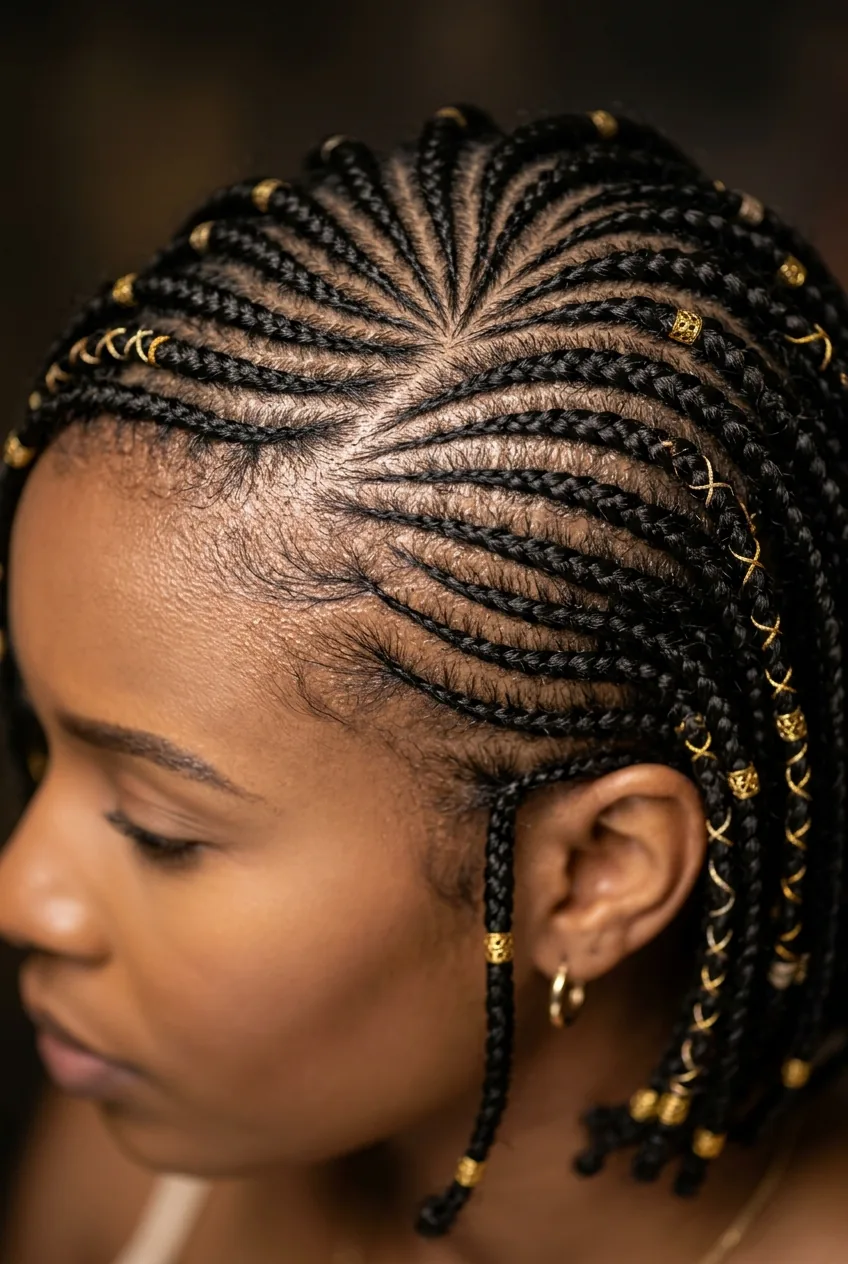
Look, I get it. When someone says “short” and “braids” in the same sentence, you might think it defeats the whole purpose. But hear me out.
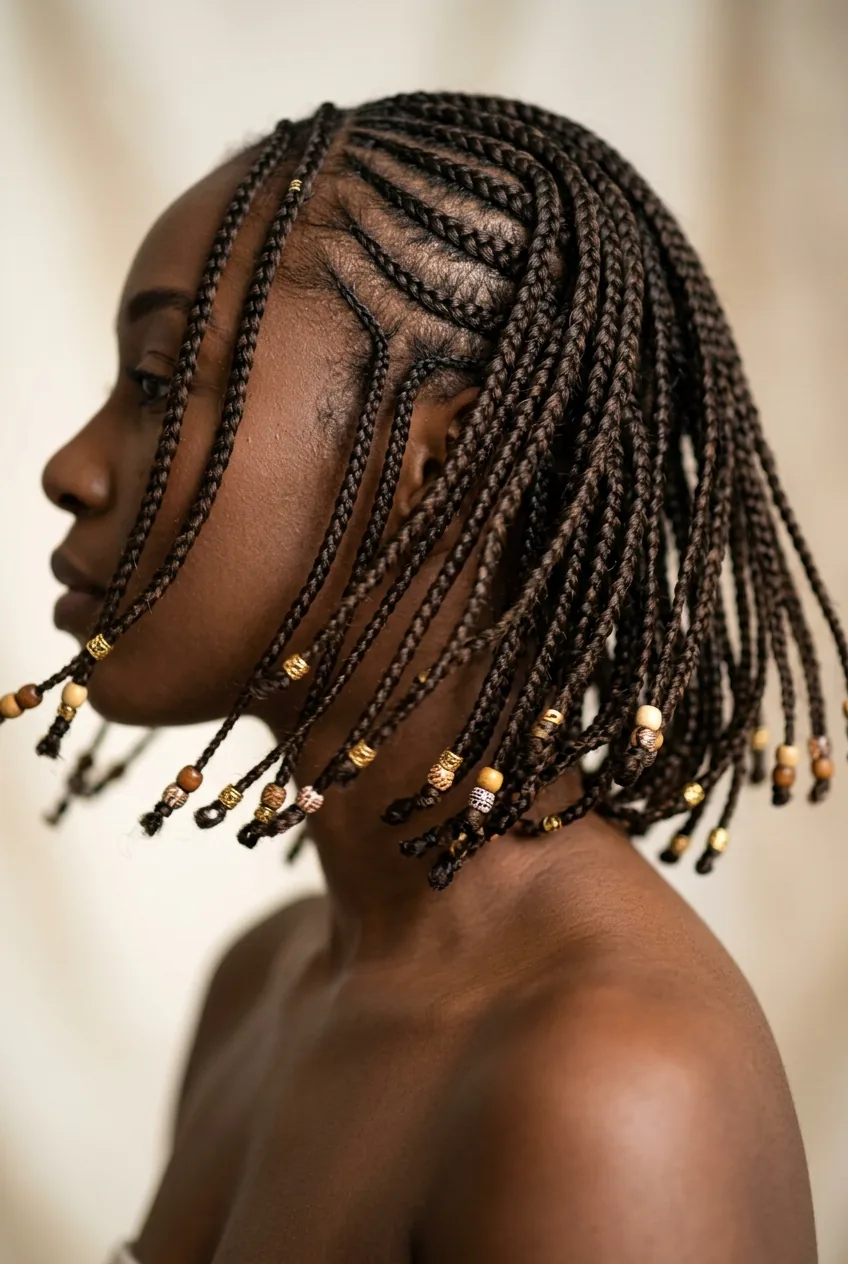
Short lemonade fulani braids hit right at your shoulders or just above. And that’s the magic zone. They’re long enough to give you that gorgeous swing when you move, but short enough that you can actually sleep without wrapping your entire head like a mummy every night. I can throw on a silk pillowcase and call it done.
The weight difference is incredible too. I remember the first morning I woke up with these — no neck strain, no having to flip my braids over the pillow twelve times to find a comfortable position. Just normal, refreshing sleep.
Getting the Parts Right
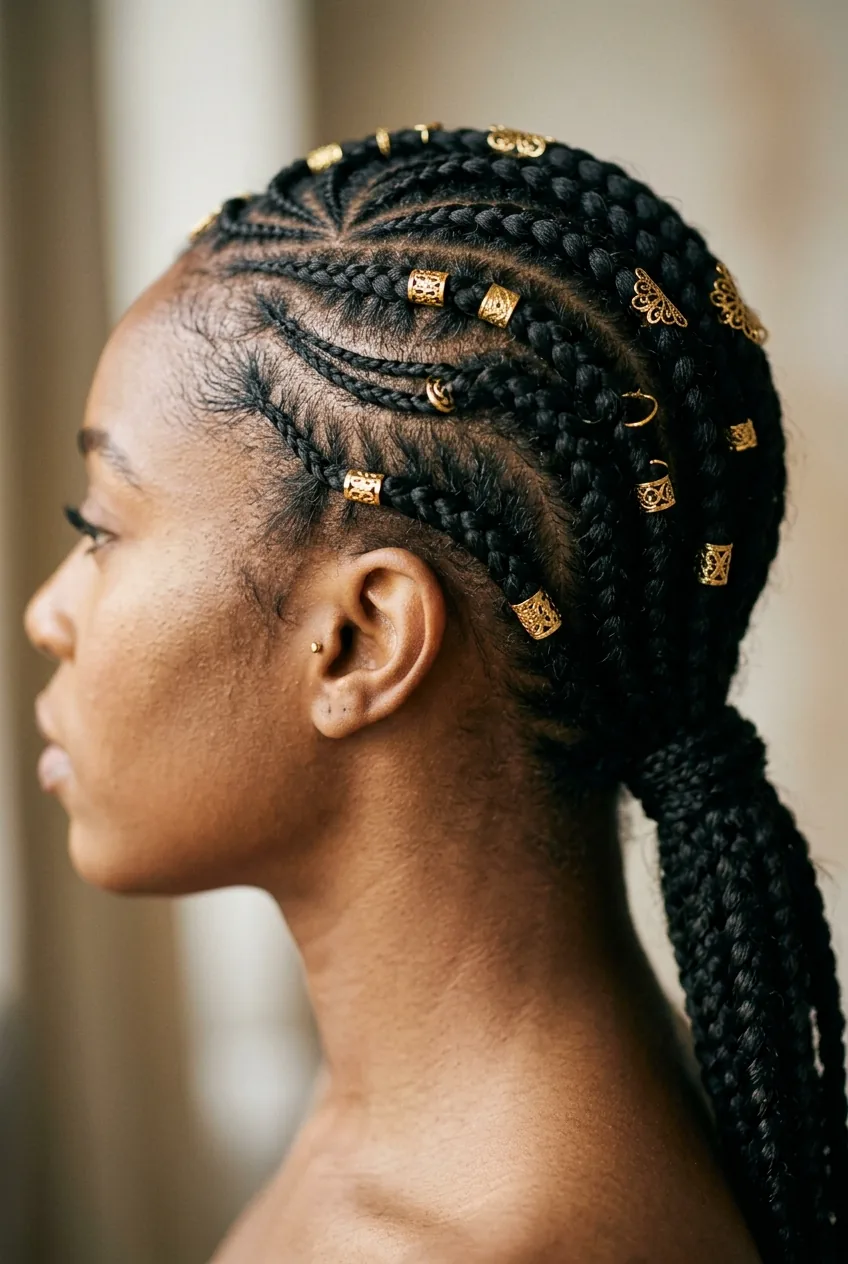
This is where people get it wrong. The parting pattern isn’t just aesthetic — it’s the whole foundation of why these braids work so well.
- Front cornrows that curve back toward your temples
- Side part that’s deep enough to matter but not so dramatic it looks costume-y
- Box braid sections in the back that aren’t too small (trust me on this)
- Feed-in technique at the hairline for that seamless blend
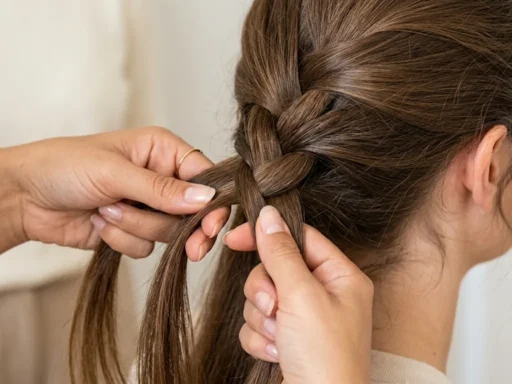
The cornrow portion should follow your natural hairline. I see too many people trying to force geometric patterns that fight against their face shape. Work with what you’ve got. Cultural braiding traditions have been perfected over generations for good reasons.
Watch the Parting Technique Live
Styling Freedom That Actually Works
Here’s my controversial take: longer isn’t always better for versatility. With short lemonade fulani braids, I can actually style them without needing a engineering degree.
Half-up styles? Perfect. The braids hold the weight without that droopy look you get with longer lengths. Low ponytails sit right at the nape without pulling. And when I want to wear them down, they frame my face instead of overwhelming it.
I’ve been experimenting with accessories too. Hair jewelry that would get lost in longer braids actually shows up here. Even simple things like bold hair colors pop more when they’re not competing with excessive length.
The best protective style is the one you actually want to wear every day, not just tolerate.
Maintenance Reality Check
Let’s talk about what nobody tells you upfront. Maintenance is easier, but it’s still maintenance.
I wash mine every two weeks instead of stretching it to three like I did with longer braids. The shorter length means the weight of water doesn’t pull everything loose. My scalp stays healthier because I’m not avoiding wash day out of pure dread.
Touch-ups around the hairline happen around week four instead of week six. But here’s the thing — they’re quicker touch-ups. Less hair to redo means less time in the chair. Proper maintenance techniques make all the difference in longevity.
The edges situation is real though. With any style that has tension at the hairline, you need to be religious about your edge care. I use a light oil every few days and massage gently. No exceptions.
When They Don’t Work
I’m not going to pretend these are perfect for everyone. If you have a very round face, the shorter length might emphasize width instead of creating length. And if you’re used to hiding behind super long hair, this style puts your face front and center.
Also? If you’re someone who changes your mind about hair constantly, committing to any braid style for 6-8 weeks might feel limiting. I’ve seen people get these done and regret the length choice by week two.
The styling learning curve is real too. If you’ve always had shorter cuts or always had super long protective styles, this middle ground takes some getting used to. You’ll have days where you feel like nothing looks right.
After three rounds of wearing short lemonade fulani braids, I’m convinced they’re the sweet spot between protection and practicality. They’re not trendy in that fleeting way — they’re just genuinely better for my lifestyle. Some mornings I catch myself in the mirror and think, “Why did I ever think I needed all that extra length?”